Skulptur eines sitzenden Mannes der Jama-Coaque-Kultur
1 485.-
23.04.2026


5600, Lenzburg
Objekt:
Skulptur eines sitzenden Mannes der Jama-Coaque-Kultur Ecuador
Material:
Gebrannter Ton.
Datierung:
355 v. Chr. bis 400 n. Chr.
Früheste Phase der Jama-Coaque-Kultur in Ecuador.
Beschreibung:
Skulptur eines sitzenden Mannes, hohl aus Ton geformt. Es handelt sich um einen Häuptling der ecuadorianischen Jama-Coaque-Kultur, gezeigt mit markanter Kopfbedeckung und großen, tellerförmigen Ohrringen, sowie Hals-Schmuck . Dargestellt ist vermutlich das Ritual der Cocablatt-Zubereitung, für das der Häuptling diverse Utensilien in den Händen hält.
Maße:
23.5 cm hoch.
Zustand:
Fehlstelle Ring am Rechten Ohrlappen.
Jama-Coaque, the name originally given to the prehistoric culture occupying northern Manabí Province, Ecuador, during the Regional-Developmental period, (500 bcece 500). More recent research has established that the Jama-Coaque tradition represents four phases of occupation beginning around 550 bce and continuing until the Spanish conquest in 1531. Although its territory may have fluctuated over time, it minimally extended along the northern Manabí coast from Bahía de Cojimíes in the north to Bahía de Caráquez in the south. To the east, limited archaeological evidence suggests that Jama-Coaque influence extended to the Andean foothills.
Jama-Coaque was originally defined by the Ecuadoran archaeologist Emilio Estrada in the late 1950s, on the basis of limited test excavations at the littoral type sites of Coaque and Jama. The culture is best known for its tradition of elaborate ceramic figurines and modeled vessels depicting a wide range of anthropomorphic and zoomorphic imagery. It shares many characteristics with the Bahía culture to the south, such as ceramic house models and neck rests, suggesting shared Asiatic influences. Also common to both cultures are several vessel forms and decorative techniques, such as negative painting, postfire multicolored painting, and nicked or cutout flattened rims on shallow polypod bowls, but enough differences exist to differentiate the two styles clearly. Jama-Coaque figurines are commonly mold-made, and even the larger, hollow, modeled figurines depicting elite personages or dragonlike animals typically exhibit detailed ornamentation assembled from standardized mold-made pieces. Other typical pottery artifacts include both flat and cylindrical stamps or seals, incised spindle whorls, zoomorphic whistles and flutes, and anthropomorphic masks that may have functioned as pendants. A number of these ceramic objects, as well as specific costumes and ornamentation depicted on figurines, have stylistic parallels in Mesoamerica, suggesting maritime contacts with western Mexico.
By the time of Pizarro's march through Coaque and Pasao in 1531, the Jama-Coaque peoples may have been coming under the progressive domination of the Manteño polity to the south. Although not conclusive, the presence of Manteño burnished black pottery in several Late Integration sites suggests the establishment of enclave communities that perhaps administered tribute payments from the local Jama-Coaque populations.
Private Sammlung. Erbschaft.
Bitte beachten Sie das mitgelieferte Info. (s.Belliegende Informationen oben und Fotos) für weitere Informationen uber die Skulptur zu verkaufen. Keine Garantie, keine Rückgabe noch Geld zurück.
Keine Lieferung ausserhalb der Schweiz.
Skulptur eines sitzenden Mannes der Jama-Coaque-Kultur Ecuador
Material:
Gebrannter Ton.
Datierung:
355 v. Chr. bis 400 n. Chr.
Früheste Phase der Jama-Coaque-Kultur in Ecuador.
Beschreibung:
Skulptur eines sitzenden Mannes, hohl aus Ton geformt. Es handelt sich um einen Häuptling der ecuadorianischen Jama-Coaque-Kultur, gezeigt mit markanter Kopfbedeckung und großen, tellerförmigen Ohrringen, sowie Hals-Schmuck . Dargestellt ist vermutlich das Ritual der Cocablatt-Zubereitung, für das der Häuptling diverse Utensilien in den Händen hält.
Maße:
23.5 cm hoch.
Zustand:
Fehlstelle Ring am Rechten Ohrlappen.
Jama-Coaque, the name originally given to the prehistoric culture occupying northern Manabí Province, Ecuador, during the Regional-Developmental period, (500 bcece 500). More recent research has established that the Jama-Coaque tradition represents four phases of occupation beginning around 550 bce and continuing until the Spanish conquest in 1531. Although its territory may have fluctuated over time, it minimally extended along the northern Manabí coast from Bahía de Cojimíes in the north to Bahía de Caráquez in the south. To the east, limited archaeological evidence suggests that Jama-Coaque influence extended to the Andean foothills.
Jama-Coaque was originally defined by the Ecuadoran archaeologist Emilio Estrada in the late 1950s, on the basis of limited test excavations at the littoral type sites of Coaque and Jama. The culture is best known for its tradition of elaborate ceramic figurines and modeled vessels depicting a wide range of anthropomorphic and zoomorphic imagery. It shares many characteristics with the Bahía culture to the south, such as ceramic house models and neck rests, suggesting shared Asiatic influences. Also common to both cultures are several vessel forms and decorative techniques, such as negative painting, postfire multicolored painting, and nicked or cutout flattened rims on shallow polypod bowls, but enough differences exist to differentiate the two styles clearly. Jama-Coaque figurines are commonly mold-made, and even the larger, hollow, modeled figurines depicting elite personages or dragonlike animals typically exhibit detailed ornamentation assembled from standardized mold-made pieces. Other typical pottery artifacts include both flat and cylindrical stamps or seals, incised spindle whorls, zoomorphic whistles and flutes, and anthropomorphic masks that may have functioned as pendants. A number of these ceramic objects, as well as specific costumes and ornamentation depicted on figurines, have stylistic parallels in Mesoamerica, suggesting maritime contacts with western Mexico.
By the time of Pizarro's march through Coaque and Pasao in 1531, the Jama-Coaque peoples may have been coming under the progressive domination of the Manteño polity to the south. Although not conclusive, the presence of Manteño burnished black pottery in several Late Integration sites suggests the establishment of enclave communities that perhaps administered tribute payments from the local Jama-Coaque populations.
Private Sammlung. Erbschaft.
Bitte beachten Sie das mitgelieferte Info. (s.Belliegende Informationen oben und Fotos) für weitere Informationen uber die Skulptur zu verkaufen. Keine Garantie, keine Rückgabe noch Geld zurück.
Keine Lieferung ausserhalb der Schweiz.
- Prezzo CHF
- 1 485.-
- CAP
- 5600
Annunci simili
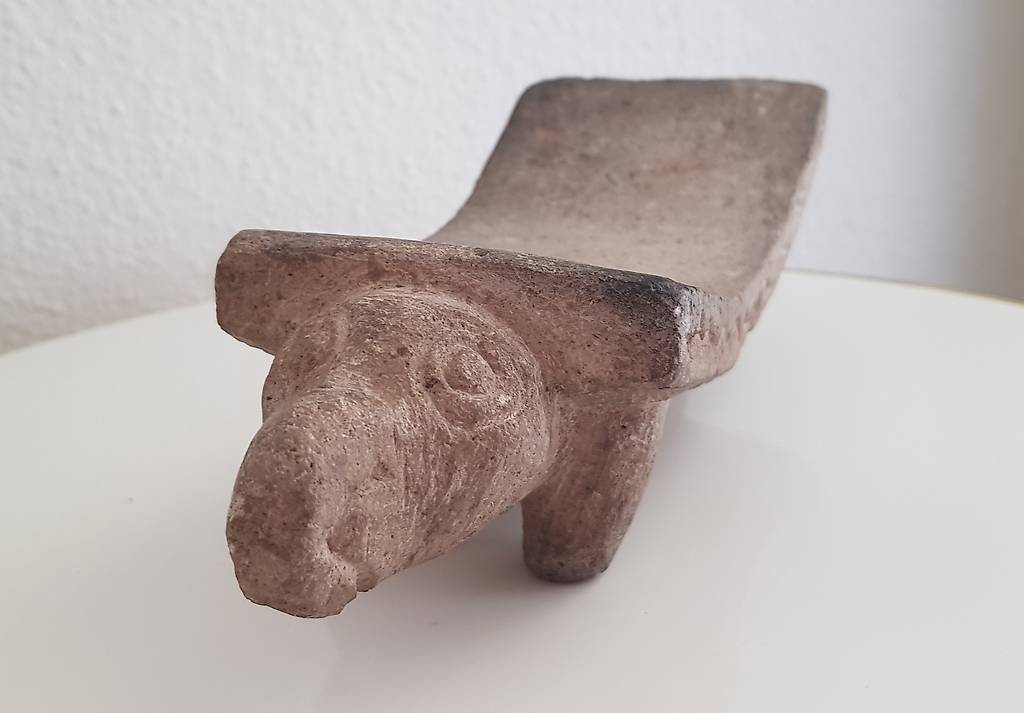
Präkolumbianischer Metate aus Mexiko/Mesoamerika
270.-
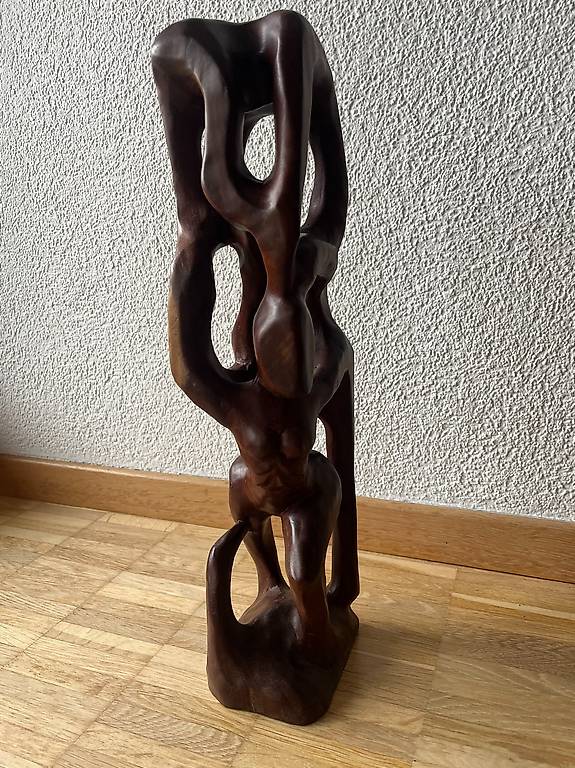
Handgefertigte Kolumbianische Holzskulptur Pachamama
100.-
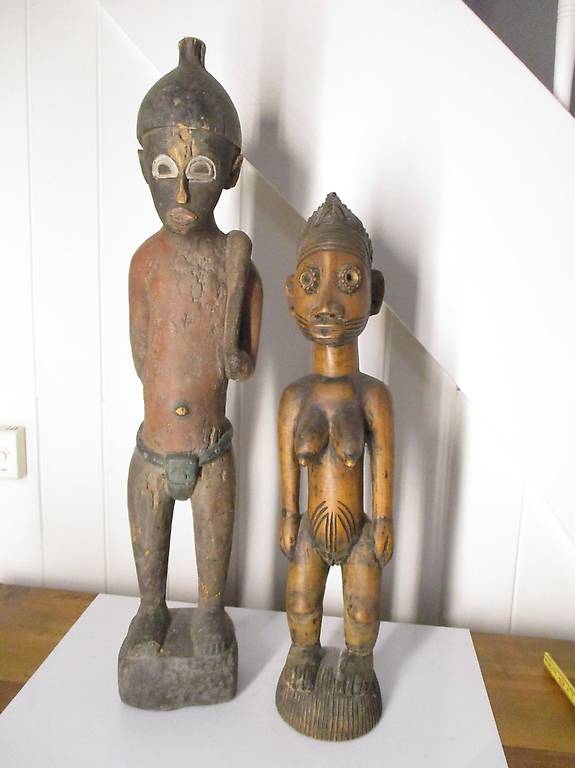
Afrikanisches Figuren-Paar Skulptur Holz tribal art Afrika
150.-
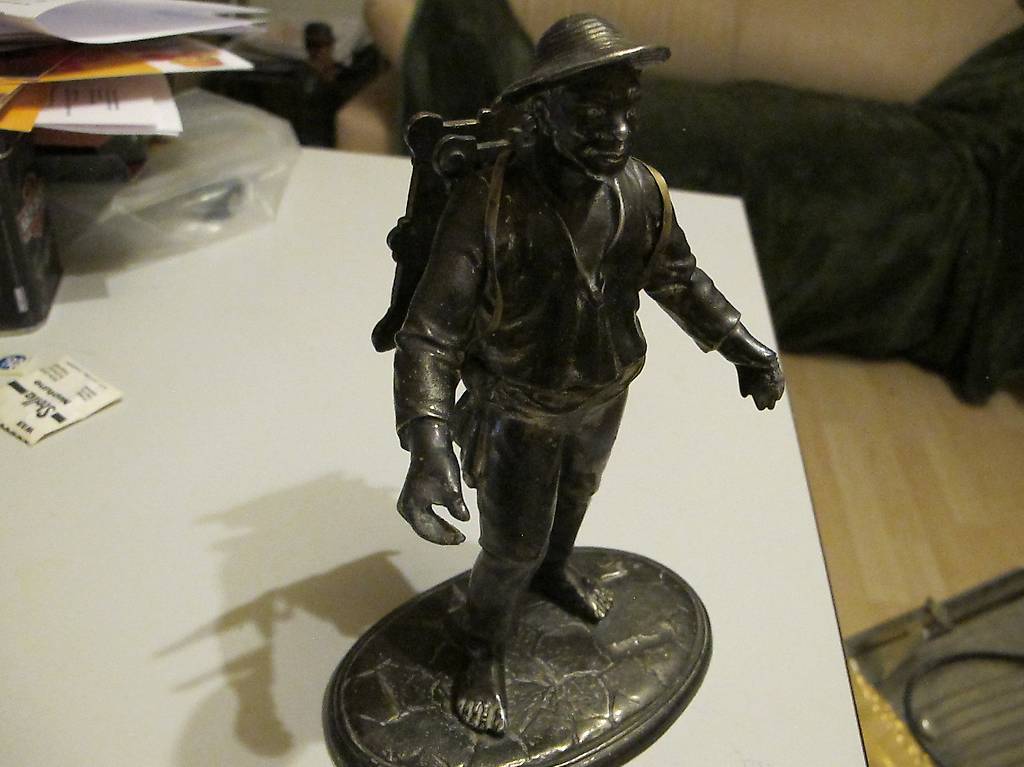
Skulptur Sehr Alt Und Selten Könnte Bronze Sein ? Siehe Bild
120.-
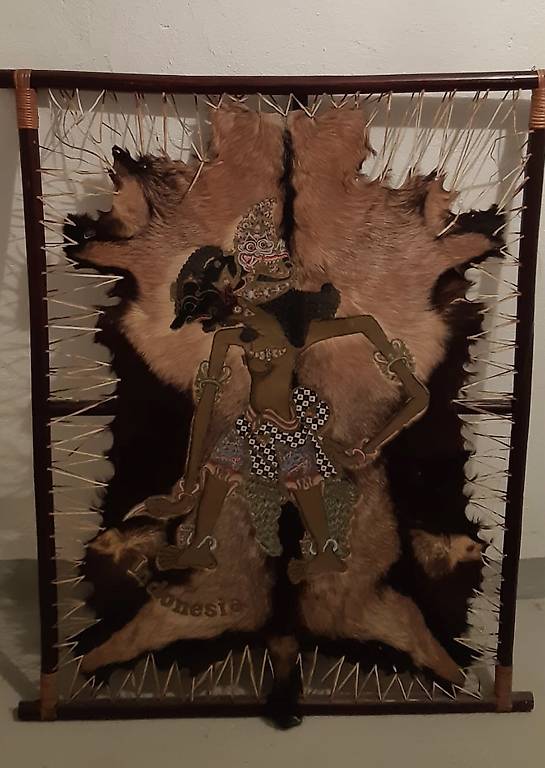
Traditionelles indonesisches Kunstwerk Wayang Kulit
150.-
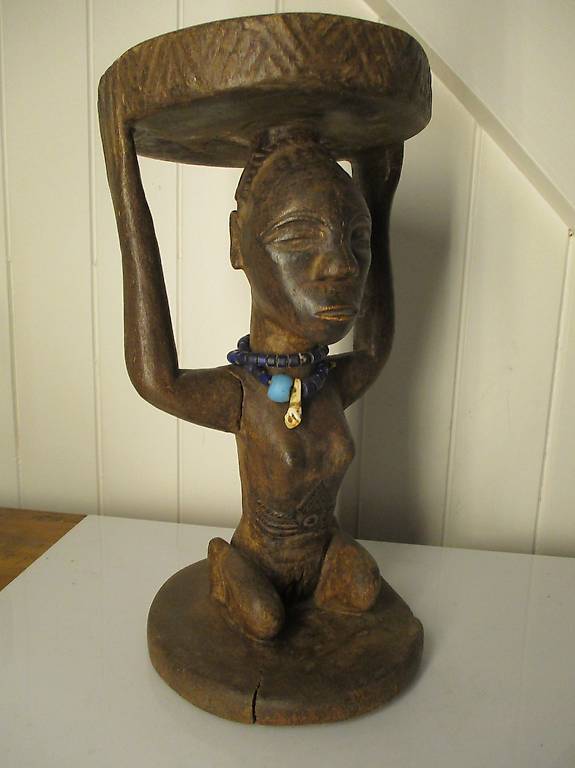
Mutterfigur Hocker-Figur Afrika Skulptur tribal art premier
180.-
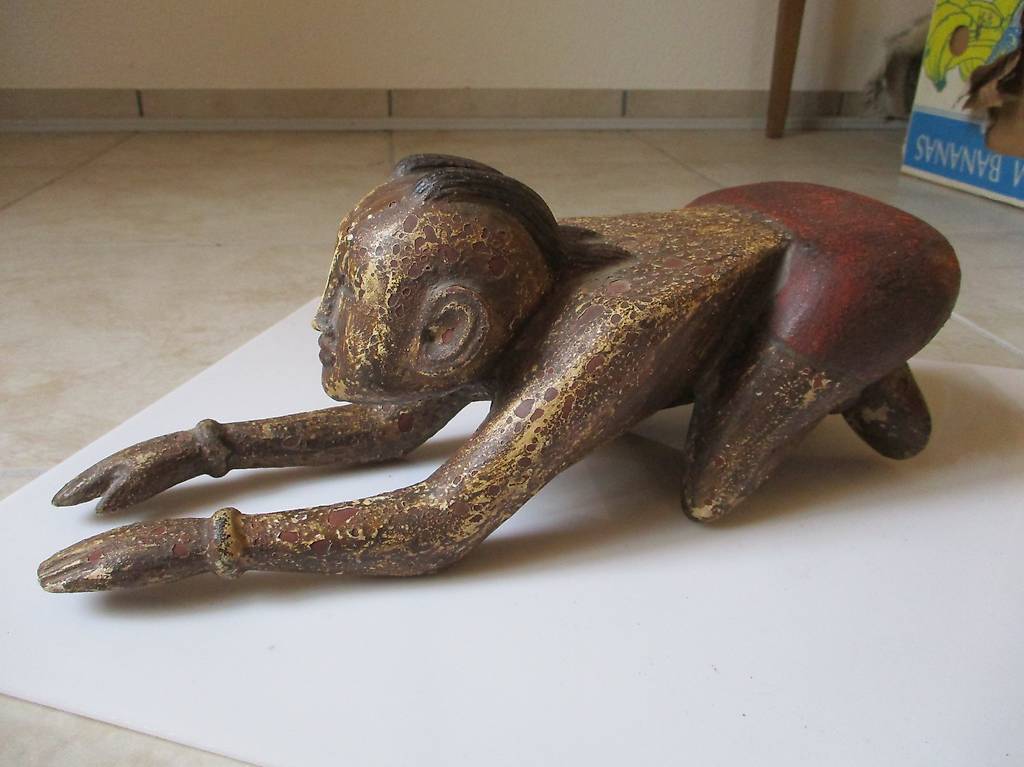
Hist. Kauer-Hocker Afrika tribal art premier
250.-
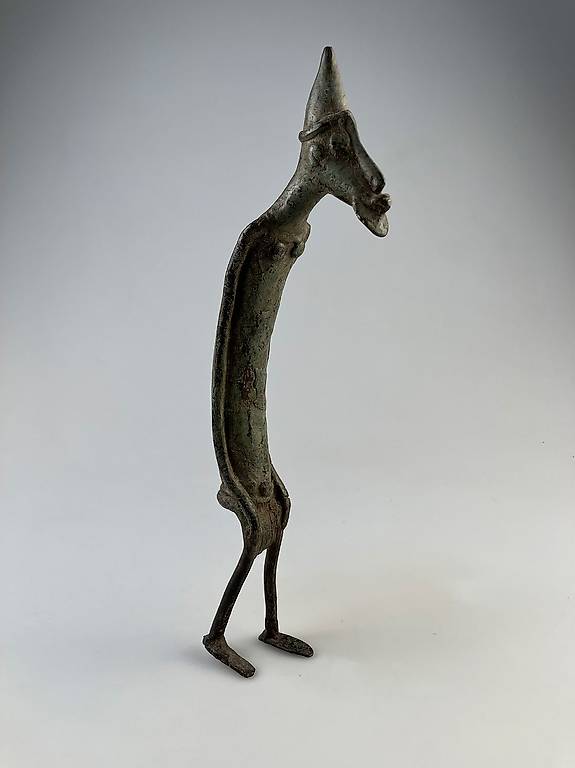
Wunderschöne Bronzeskulptur des Dogon-Volkes aus Mali.
120.-
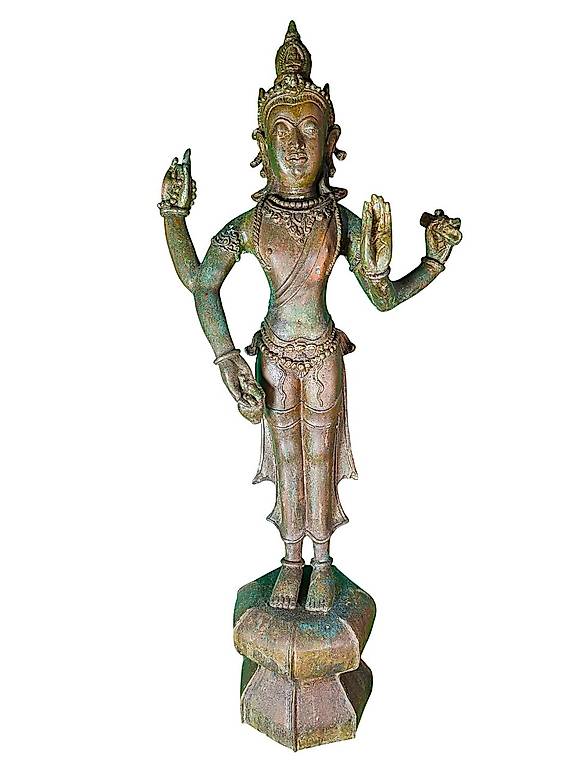
Unvergleichliche antike Avalokitevara Bronze
80 000.-
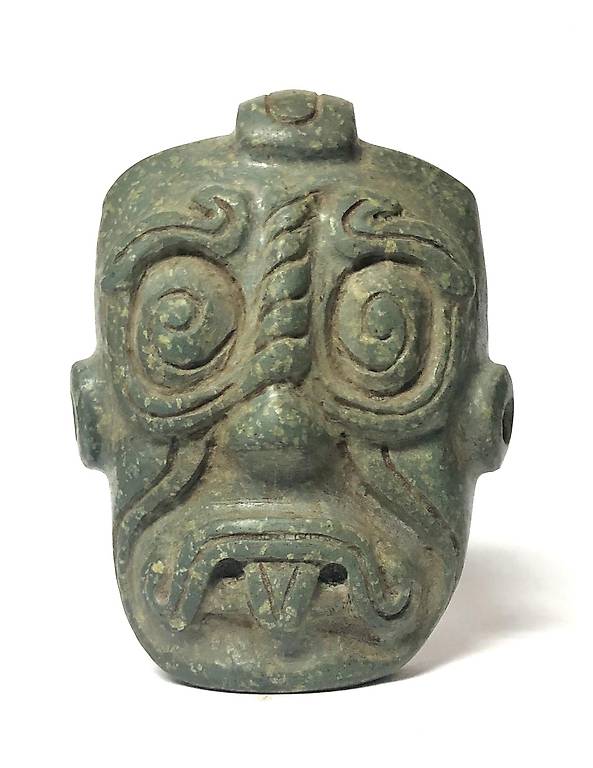
Präkolumbische Maya Chaac Maskette aus Jadeit
349.-
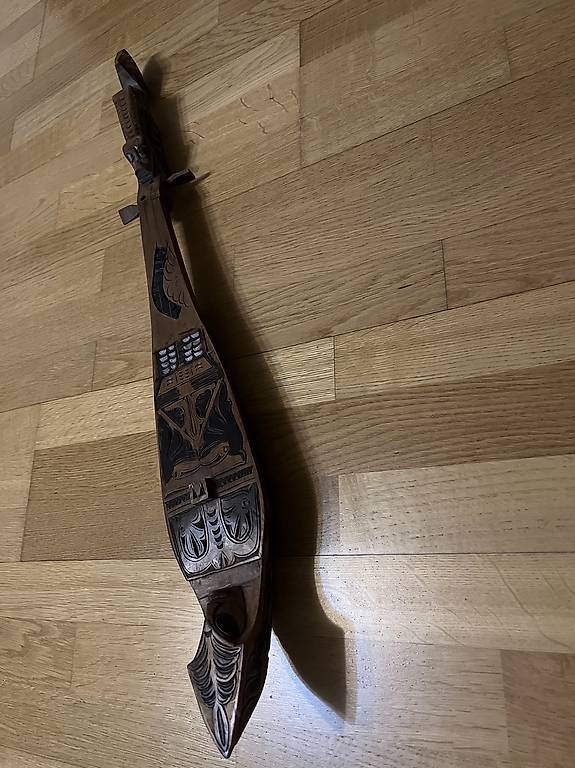
Handgeschnitzte ethnische Holzgitarre
80.-
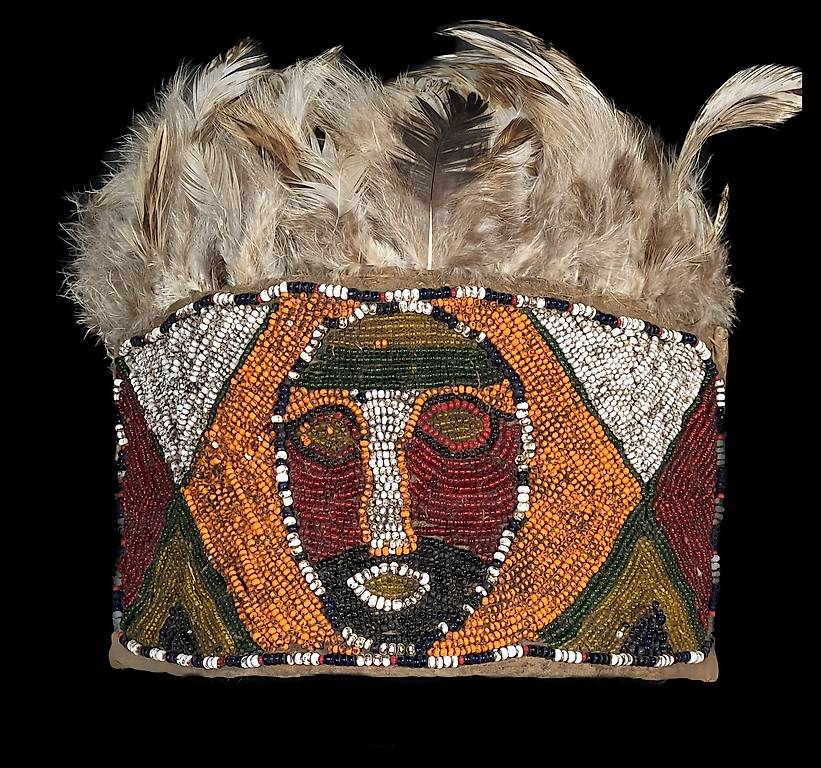
1940er Kopfschmuck des Tabwa-Stammes
330.-
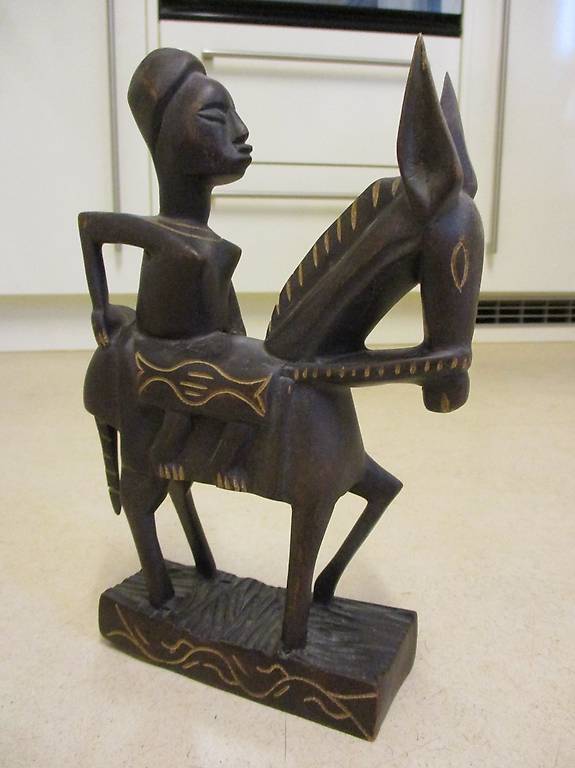
Afrikanische Frau auf Esel Figur Skulptur tribal art premier
40.-
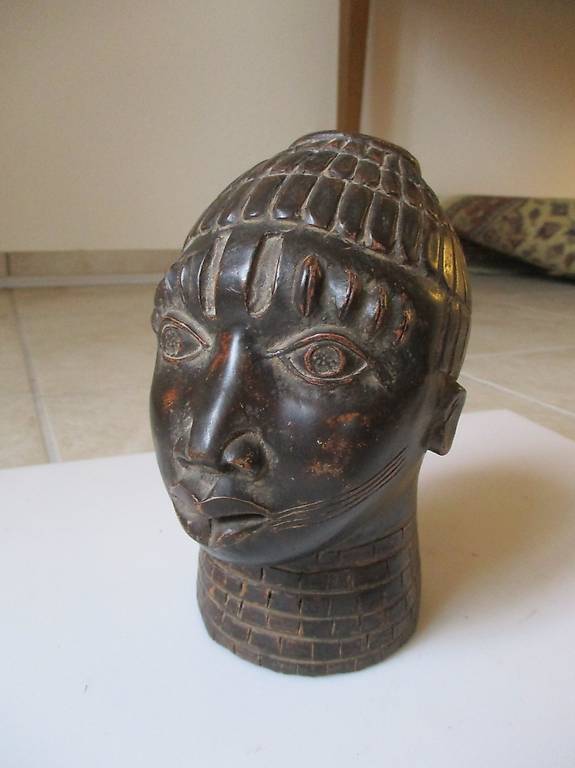
Afrikan. Büste Skulptur Figur Keramik Benin (?) tribal art
350.-
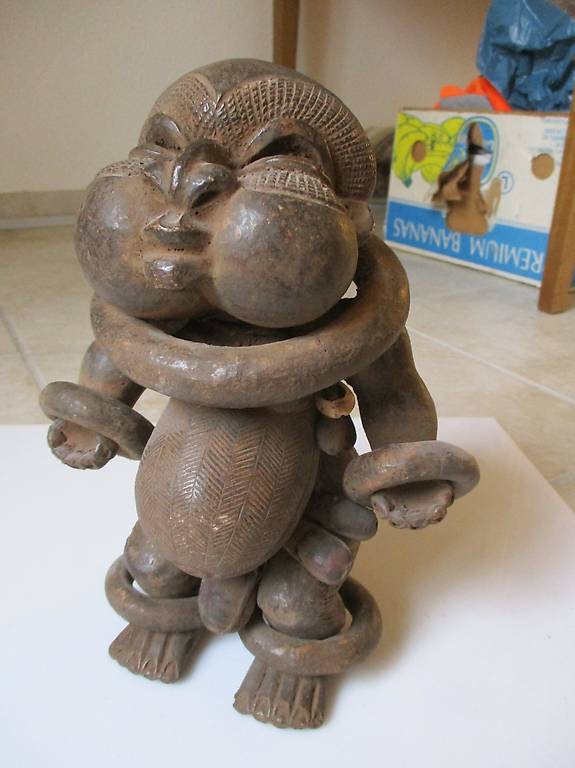
Hist. Zauber-Figur Afrika tribal art mit div. Ringen
350.-
Note legali
Italiano


© SMG Swiss Marketplace Group AG 2026.


La duplicazione e la ripresa degli annunci da parte di terzi, in particolare di foto e dati personali in essi contenuti, viola i diritti ad essi associati ed è espressamente vietate.