Quasimidi Sirius
700.-
25.05.2026


6460, Altdorf UR
Top Zustand, tausch möglich und preis verhandelbar.
The Quasimidi Sirius represents a comprehensive evolution in dance music production technology, positioning itself as a complete dance workstation that significantly expands beyond its predecessor, the Rave-O-Lution 309. Unlike the 309's single monophonic bass/lead synth, the Sirius incorporates three full polyphonic synthesizers unrestricted to specific roles, alongside a sophisticated 7-track sequencer, built-in arpeggiator, and dual effects processors. This German-engineered instrument achieves 28-note maximum polyphony across 7-part multitimbral operation, creating a self-contained studio for electronic dance music production.
The instrument's most distinctive feature is its integrated 11-band vocoder system, complete with a supplied gooseneck microphone, enabling the classic "robot voice" effects popularized by artists like Daft Punk and Air. Additionally, the Sirius incorporates an innovative beat-recognition system designed to detect external audio tempo and synchronize the internal sequencer accordingly, making it particularly valuable for DJ applications and live performance scenarios where synchronization with CDs or other audio sources is required.
Design and Interface
Synthesis Engine
The Sirius employs what Quasimidi terms "DTE Synthesis" (Difficult To Explain), a hybrid approach combining traditional subtractive synthesis methods with sample-based elements. Each of the three polyphonic synthesizer voices features two oscillators per voice, though these cannot be edited independently, limiting advanced techniques like oscillator sync and cross-modulation while still providing genuine detuning effects.
The synthesis architecture offers 125 oscillator "Macros" - pre-configured combinations of waveforms including traditional analogue staples (sine, pulse, sawtooth, triangle) alongside specialized waveforms like TB-303 emulations, synth-choir, synth-string, and bass timbres. The signal path follows classic analogue synthesizer design:
Oscillator Section: Features octave settings calibrated in organ-style feet measurements, comprehensive detuning up to 24 semitones (one-cent precision for the first semitone), glide/portamento control, and monophonic/polyphonic switching for authentic monosynth emulation.
Filter Section: Provides three filter types - 24dB and 12dB low-pass filters plus 12dB high-pass filtering, all with resonance extending to self-oscillation. The drive parameter adds harmonic saturation particularly effective for acid basslines and aggressive lead sounds. Keyboard tracking adjusts filter brightness according to keyboard position, while velocity sensitivity and comprehensive envelope modulation complete the filter's capabilities.
Modulation Systems: Each voice includes a pitch envelope generator with attack/decay parameters and bidirectional modulation amounts. The LFO section offers six waveform choices, rate control with MIDI clock synchronization options, and routing to oscillator, filter, and amplifier sections simultaneously.
Envelope Generators: Both filter and amplifier sections feature full ADSR envelope generators, complemented by 128 preset "Macro" envelopes accessible via front-panel knobs for rapid sound design without menu
The Quasimidi Sirius represents a comprehensive evolution in dance music production technology, positioning itself as a complete dance workstation that significantly expands beyond its predecessor, the Rave-O-Lution 309. Unlike the 309's single monophonic bass/lead synth, the Sirius incorporates three full polyphonic synthesizers unrestricted to specific roles, alongside a sophisticated 7-track sequencer, built-in arpeggiator, and dual effects processors. This German-engineered instrument achieves 28-note maximum polyphony across 7-part multitimbral operation, creating a self-contained studio for electronic dance music production.
The instrument's most distinctive feature is its integrated 11-band vocoder system, complete with a supplied gooseneck microphone, enabling the classic "robot voice" effects popularized by artists like Daft Punk and Air. Additionally, the Sirius incorporates an innovative beat-recognition system designed to detect external audio tempo and synchronize the internal sequencer accordingly, making it particularly valuable for DJ applications and live performance scenarios where synchronization with CDs or other audio sources is required.
Design and Interface
Synthesis Engine
The Sirius employs what Quasimidi terms "DTE Synthesis" (Difficult To Explain), a hybrid approach combining traditional subtractive synthesis methods with sample-based elements. Each of the three polyphonic synthesizer voices features two oscillators per voice, though these cannot be edited independently, limiting advanced techniques like oscillator sync and cross-modulation while still providing genuine detuning effects.
The synthesis architecture offers 125 oscillator "Macros" - pre-configured combinations of waveforms including traditional analogue staples (sine, pulse, sawtooth, triangle) alongside specialized waveforms like TB-303 emulations, synth-choir, synth-string, and bass timbres. The signal path follows classic analogue synthesizer design:
Oscillator Section: Features octave settings calibrated in organ-style feet measurements, comprehensive detuning up to 24 semitones (one-cent precision for the first semitone), glide/portamento control, and monophonic/polyphonic switching for authentic monosynth emulation.
Filter Section: Provides three filter types - 24dB and 12dB low-pass filters plus 12dB high-pass filtering, all with resonance extending to self-oscillation. The drive parameter adds harmonic saturation particularly effective for acid basslines and aggressive lead sounds. Keyboard tracking adjusts filter brightness according to keyboard position, while velocity sensitivity and comprehensive envelope modulation complete the filter's capabilities.
Modulation Systems: Each voice includes a pitch envelope generator with attack/decay parameters and bidirectional modulation amounts. The LFO section offers six waveform choices, rate control with MIDI clock synchronization options, and routing to oscillator, filter, and amplifier sections simultaneously.
Envelope Generators: Both filter and amplifier sections feature full ADSR envelope generators, complemented by 128 preset "Macro" envelopes accessible via front-panel knobs for rapid sound design without menu
- Prezzo CHF
- 700.-
- CAP
- 6460
Annunci simili
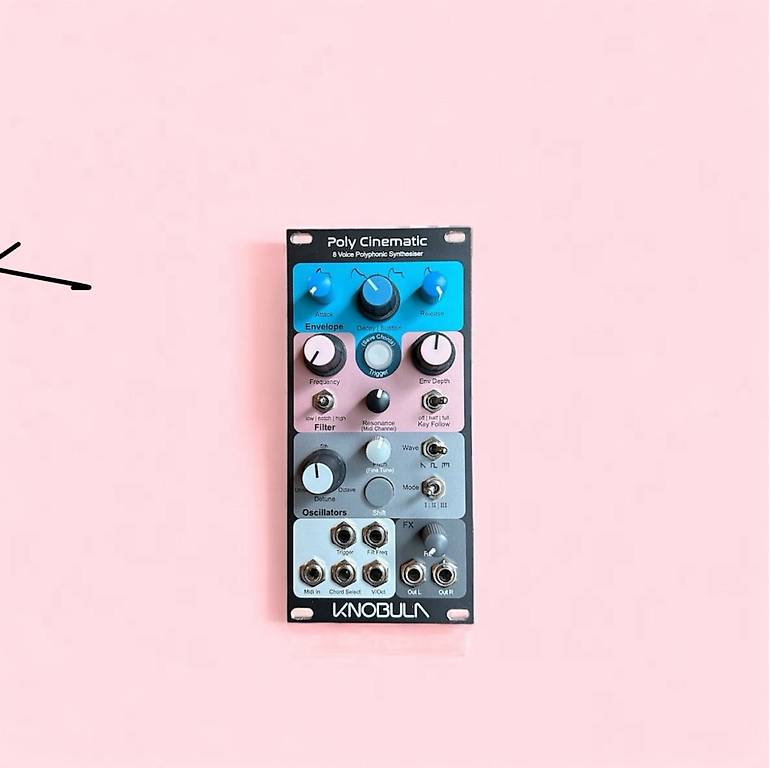
Knobula Polycinematic 8 Polyphonic 8 Voices Synthesiser
220.-
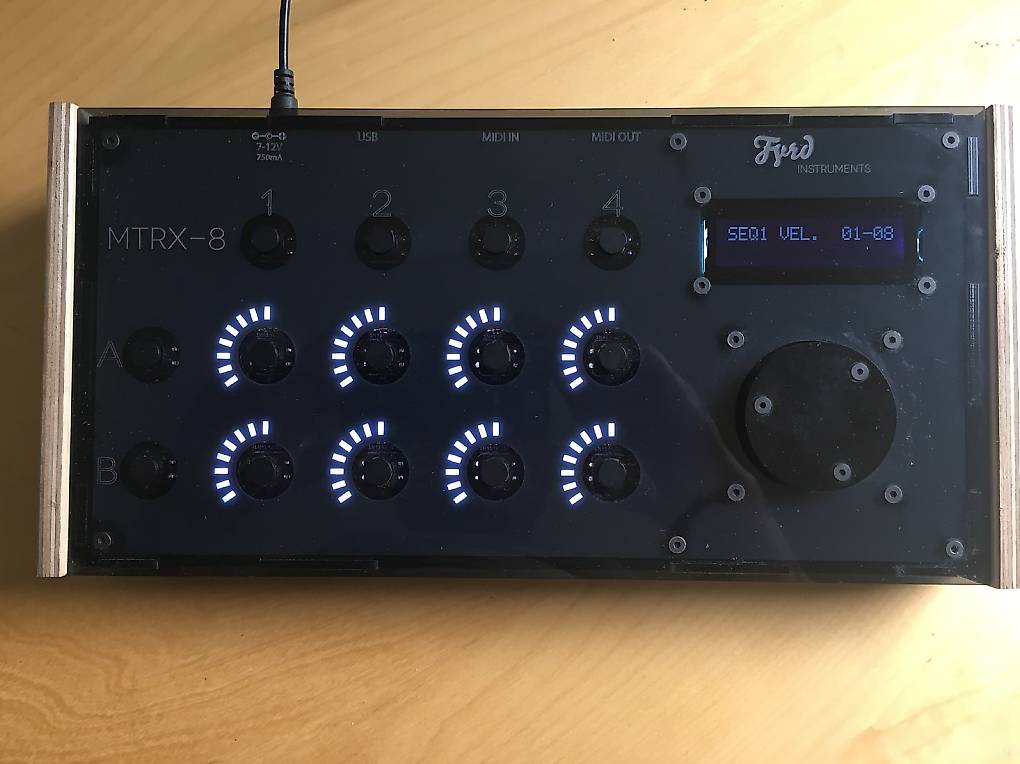
Fyrd Instruments MTRX-8
300.-
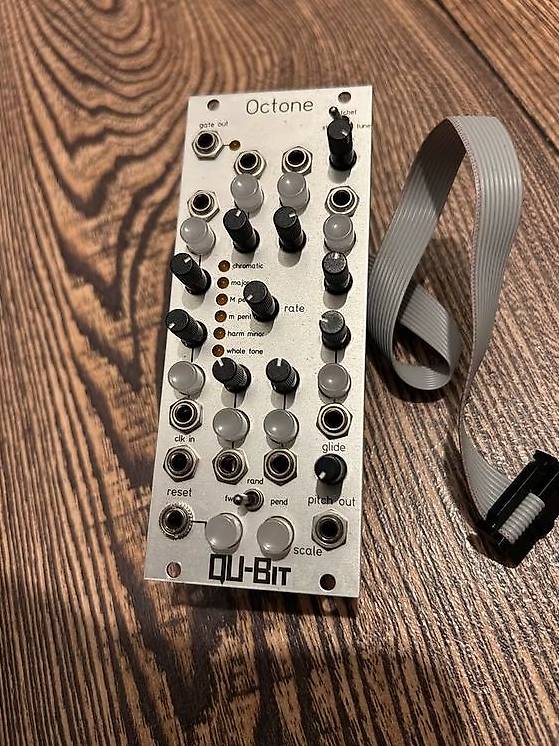
Qu-Bit Electronix Octone
140.-
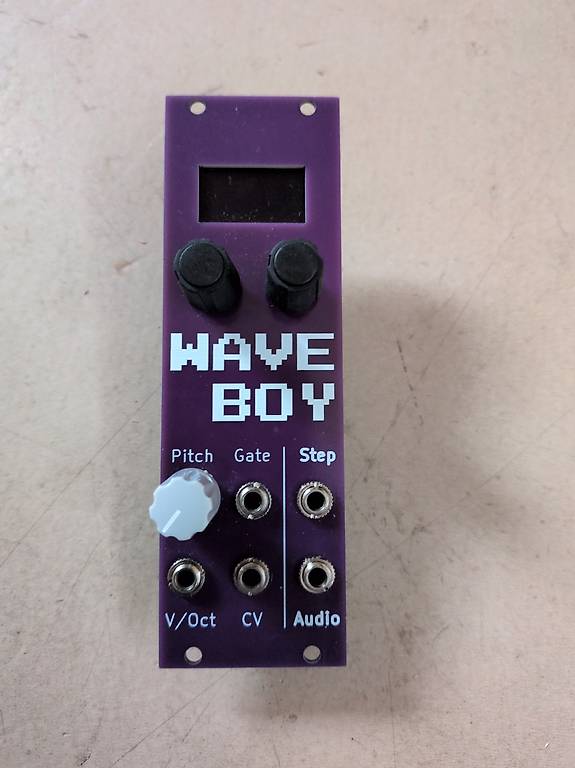
Waveboy Chiptune Wavetable Oscillator and 12-bit Sampler
130.-
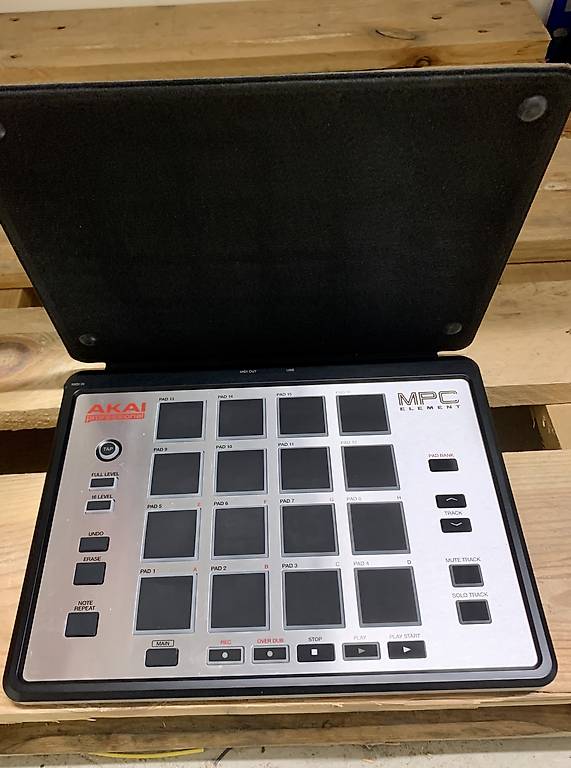
AKAI MPC ELEMENT
75.-
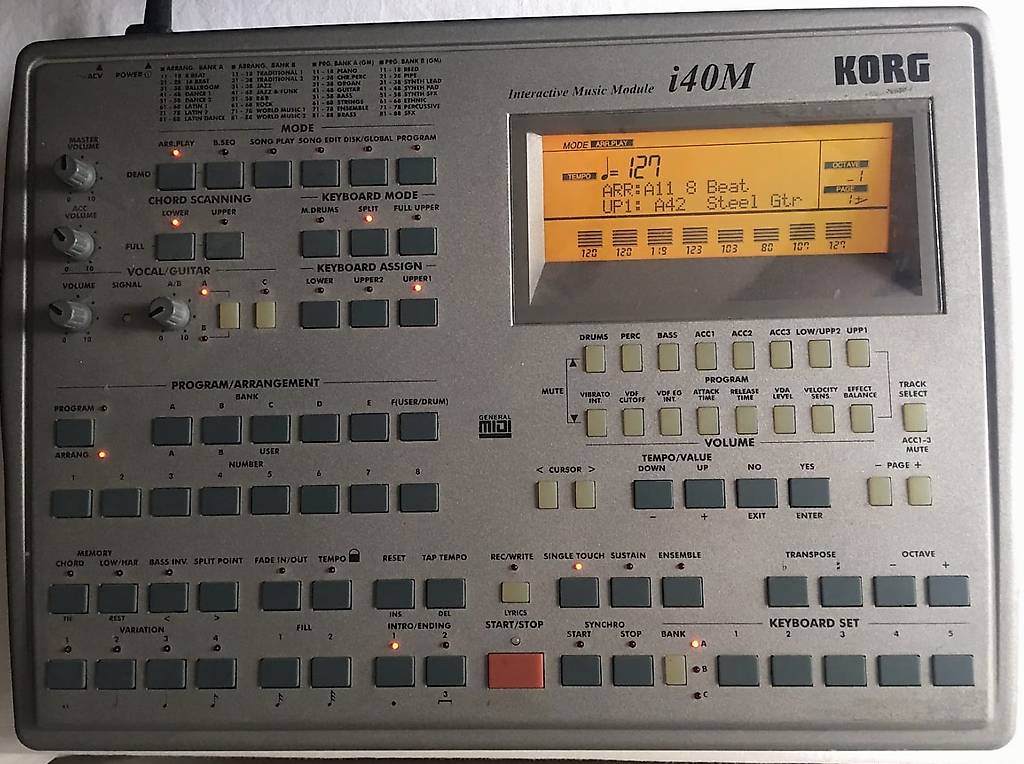
Korg i40M
345.-
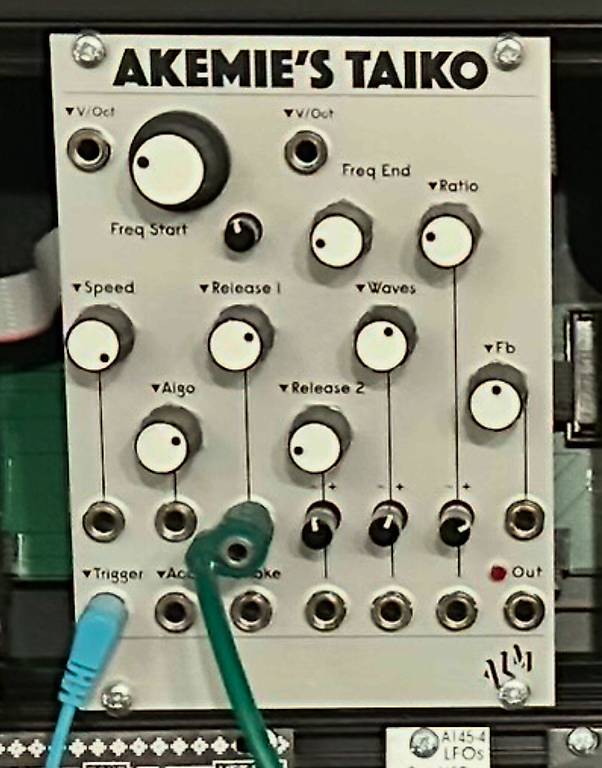
Akemie's Taiko
180.-
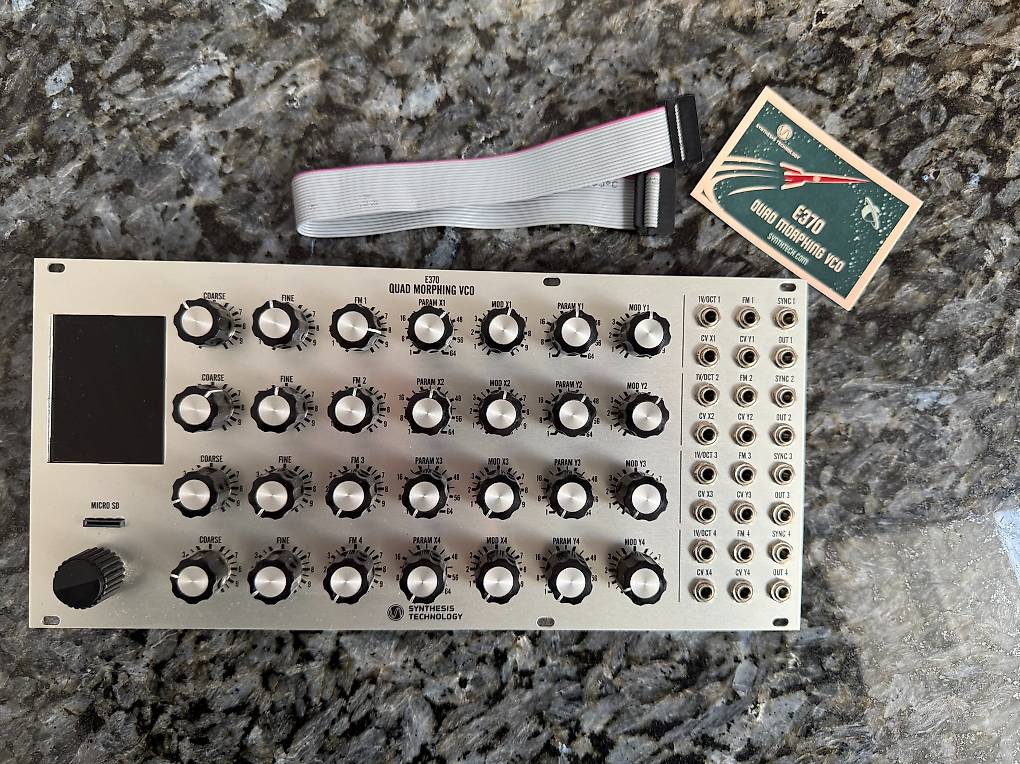
Synthesis Technology E370 - Eurorack Modul
700.-
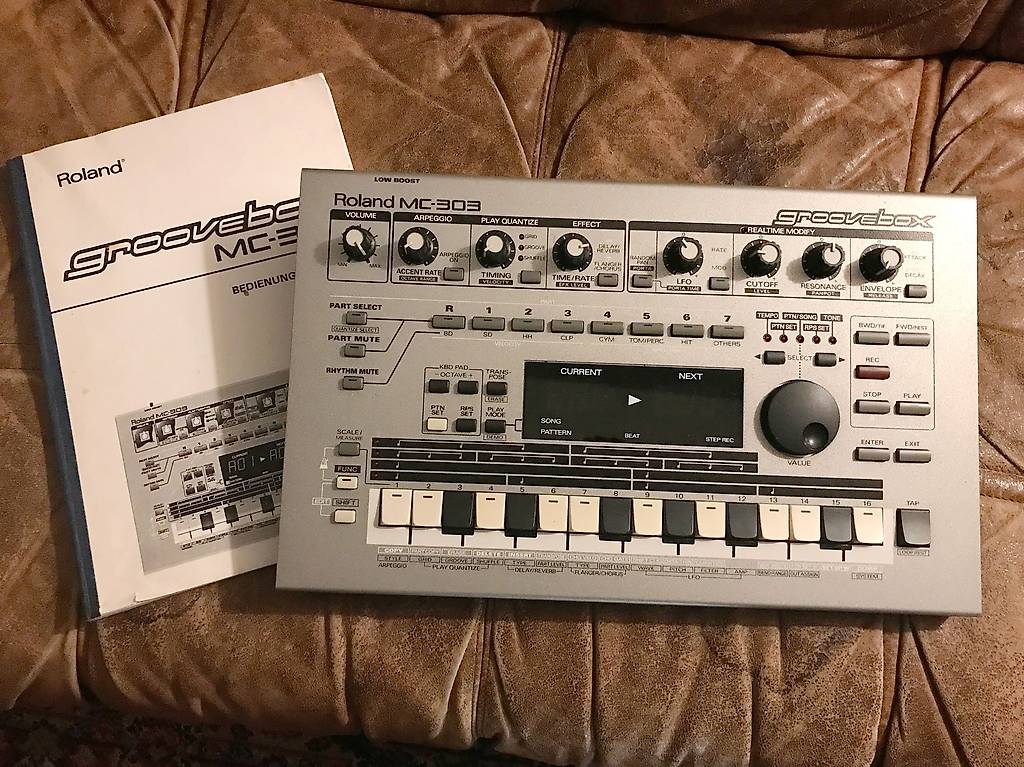
Roland MC-303 Groovebox
212.-
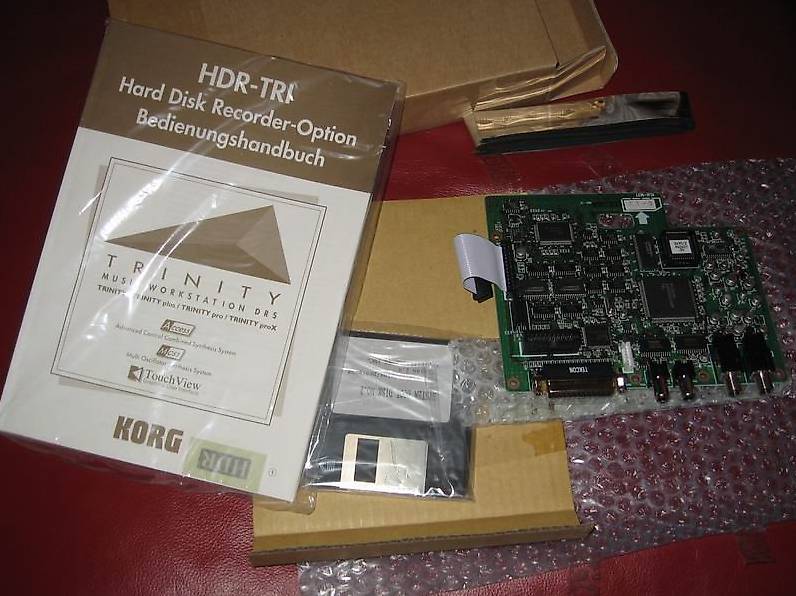
Korg HDR ? TRI ( Neu !!!)
170.-
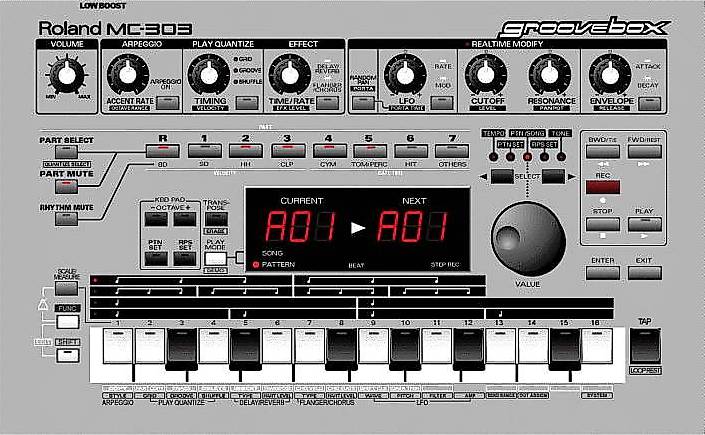
Roland MC-303 Groovebox - Retro
149.-
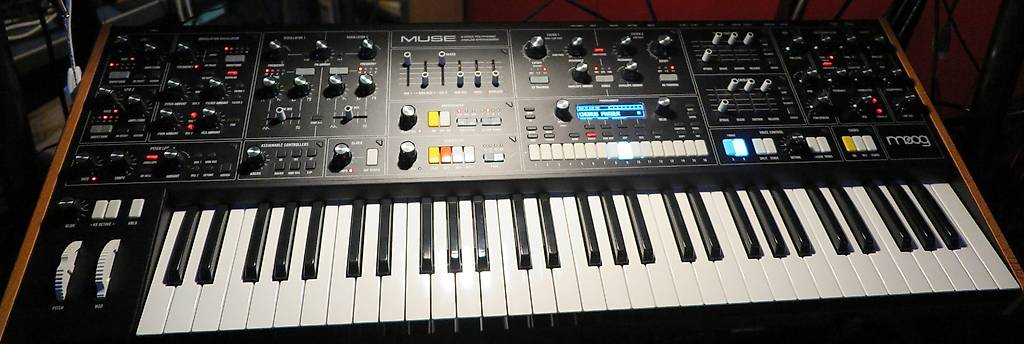
MOOG MUSE Polyphonic 8 Voice Analog Synthesizer
1 850.-
![Braintec - Transistorbass 3 [TB303 Clone Analog ]](https://c.tutti.ch/big/8334993600.jpg)
Braintec - Transistorbass 3 [TB303 Clone Analog ]
800.-
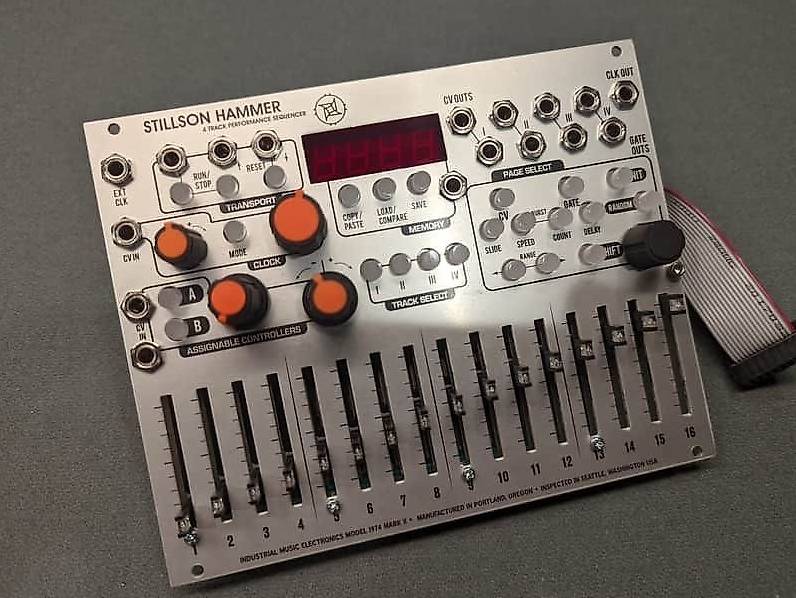
IME Sillson Hammer MkII
280.-
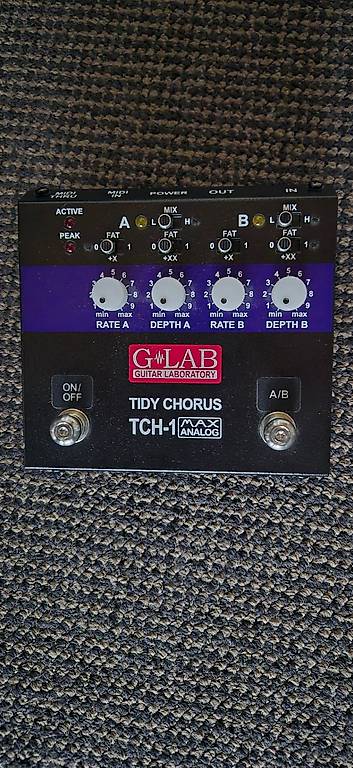
G LAB Tidy Chorus TCH-1
70.-
Note legali
Italiano


© SMG Swiss Marketplace Group AG 2026.


La duplicazione e la ripresa degli annunci da parte di terzi, in particolare di foto e dati personali in essi contenuti, viola i diritti ad essi associati ed è espressamente vietate.