Alle Inserate von Dala
Aktiv seit 11.04.2025
45 Inserate
Sortieren nach
Neueste
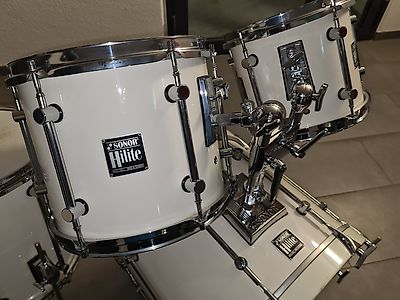

Wallisellen, 8304, 23.10.2026
Sonor Hilite Vintage original aus Deutschland
Sonor Hilite Vintage original aus Deutschland
Absolut einmaliges Angebot!
Zur dieser Profi Schlagzeug muss man nicht viel sagen!
Verkaufe ein seltenes Liebhaberstück.
Profi Schlagzeug, Spitzenklasse, Fantastischer Ton, absolut fetter Sound.
Geeignet für alle möglichen Stile.
Sehr guter gepflegter zustand kein Rost, kein Risse
Kann besichtigt und angespielt werden.
Es besteht aus:
Bass Drum 1 x 20 Zoll
Toms 10 "
Toms 12"
Floor tom 14"
Kann selbstverständlich getestet werden!
Verkaufspreis Fr.2790
2'790.-
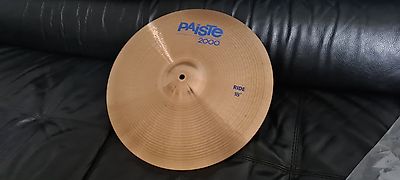
Wallisellen, 8304, 23.10.2026
Paiste 2000 Ride 18" Vintage aus 80 er Jahr
Paiste 2000 Ride 18" Vintage aus 80 er Jahr
Absolut einmaliges Angebot!!!!!
Ein seltenes Liebhaberstück zu Verkaufen.
Spitzenklasse!
Gepflegter Zustand (alles einwandfrei )
Fantastischer Ton
Verkaufspreis Fr.189
Kann besichtigt und angespielt werden
Nutzen sie dieses einmalige Angebot!
Versand möglich / Porto Fr.13
189.-

Wallisellen, 8304, 23.10.2026
Kenwood Stereo Power Amplifier model basic M2 Vintage
Kenwood Stereo Power Amplifier model basic M2 Vintage
Absolut einmaliges Angebot
Ein seltenes Liebhaberstück zu Verkaufen.
Sehr gepflegter Zustand, technisch wie optisch alles einwandfrei.
Massiv gebaut
Kann selbstverständlich getestet werden!
Verkauf Preis Fr.360
Versand möglich Porto Fr.30
360.-
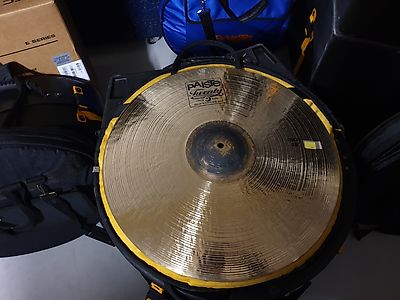
Wallisellen, 8304, 23.10.2026
Paiste Twenty Ride 20" Neu , ungebraucht, nie benutzt !!!
Paiste Twenty Ride 20" Neu , ungebraucht, nie benutzt !!!
Absolut einmaliges Angebot!!!!!
Spitzenklasse!
Fantastischer Ton,
Kann besichtigt und angespielt werden
Nutzen sie dieses einmalige Angebot!
Verkauf Preis Fr 390
Mehr Bilder können auf Wunsch gemailt werden!
Versand möglich B- Post Fr.15
390.-
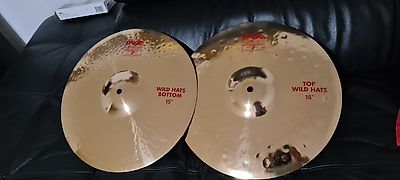
Wallisellen, 8304, 23.10.2026
Paiste 2002 Wild Hi Hat 15 Zoll / 2 mal gebraucht
Paiste 2002 Wild Hi Hat 15 Zoll / 2 mal gebraucht
Absolut einmaliges Angebot
Zu diesem Profi Hi Hat muss man nicht viel sagen!
Spitzenklasse!
Kann besichtigt und angespielt werden
Nutzen sie dieses einmalige Angebot!
Verkaufspreis CHF 379
Versand möglich B- Post CHF 12
379.-
Wallisellen, 8304, 22.10.2026
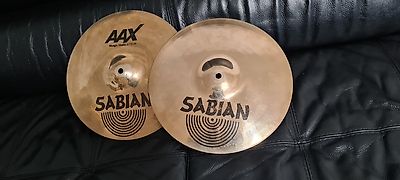
Sabian AAX Stage Hi Hat 13 Zoll
Sabian AAX Stage Hi Hat 13 Zoll
Profi Hi hat
Absolut einmaliges Angebot!!!!!
Spitzenklasse! sehr gute zustand alles einwandfrei
Diese Serie gehört zur hochwertigen Profi-Klasse von Sabian und klingt warm,
Kann besichtigt und getestet werden
Nutzen sie dieses einmalige Angebot!
Verkauf Preis Fr.290
Versand möglich B- Post Fr.12
290.-
Wallisellen, 8304, 19.10.2026
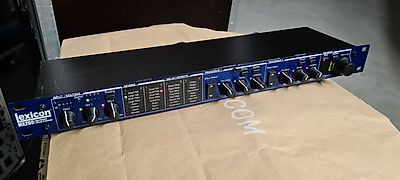
Lexicon MX200 Dual Reverb
Lexicon MX200 Dual Reverb
Gepflegter Zustand (alles einwandfrei)
Kann besichtigt und getestet werden
Mehr Bilder können auf Wunsch gemailt werden!
Nutzen sie dieses einmalige Angebot!
Verkauf Preis Fr.239
Versand möglich B- Post Fr.10
Lexicon MX200 Dual Reverb
Ausführliche Beschreibung
Profi- Reverb
Die Lexicon MX200 Dual Reverb FX-Prozessor liefert außergewöhnliche Rechenleistung, Herstellung von tief und reich Reverb Effekte mit ein intuitives Front-Panel-Layout. Das duale Reverb FX-Prozessor kombiniert die besten Effekte Verarbeitung mit modernen Innovationen, eine FX-Unit zu produzieren, die ideal für Studio und Bühne. Das MX200 verfügt über 32 legendäre Lexicon Effekte von subtilen Zimmer Reverbs bis hin zu Dom-Stil Reverbs, die Ihre Source Audio beispiellose Tiefe und Charakter verleihen. Die reichen Reverb und Effekte Algorithmen sind entworfen, von Lexicon selbst, die bekannt sind für ihre professionelle Prozessoren Effekte. Nicht nur können Sie schöne Reverbs erzeugen aber auch können Sie das Gerät Verzögerungen sowie andere Effekte einschließlich produzieren: Kompression, Bördelmaschinen, Phasing und vieles mehr. Dieses vielseitige Palette an Effekten sorgt für erhalten Sie das Beste aus Ihrem Audio.
Ideal für Studio und Live-Anwendungen
Das vielseitige Design von der Lexicon MX200 macht es ideal für Studio und Bühne Anwendungen, sodass Sie die Effektprozessoren in live-Performances als auch reiche Auswirkungen auf die Fliege im Studio hinzufügen verwenden. Die 32 eingebauten Effekten gehören a: Kompressor, Reverb, De-Esser, Vibrato, Tremelo, Phaser, Flansch, Detune, Pitch Shift und vieles mehr. Diese breite Palette von qualitativ hochwertigen Studio-Effekte macht es ideal für den Einsatz als Stand-alone-Einheit innerhalb von live-Performances als auch ideal für Studioanwendungen wie Erfassung der stimmliche Darbietungen. Freuen Sie sich auf 99 Fabrik Programme sowie 99 Anwenderprogramme, sodass Sie Ihre eigenen Presets erstellen, die Sie zu einem späteren Zeitpunkt wieder aufrufen können.
Funktionen
16 legendäre Lexicon® Reverbs
Lexicon Verzögerungen & Modulations-Effekten
Dbx® Dynamik
Dual-Prozessor
99-Fabrik / 99 Anwenderprogramme
4 routing-Konfigurationen
99-Fabrik / 99 Anwenderprogramme
USB Hardware Plug-in-Funktion
VST® und Audio Units-Plug-in Software
MX-Edit Editor/Librarian Software
S/PDIF Digital Input / Output
24 Bit, 48kHz Abtastrate
Technische Daten
Audio-Eingänge: (2) 1/4" TRS ausgeglichen oder unausgewogen
Eingangs-Impedanz: 20 k bal, 10 k unbalanced
Eingangspegel: + 4dBu Nominal + 20dBu Maximum
Frequenzbereich: 20 Hz - 20 kHz, bez. 1 kHz + /-1dB
THD + N: 107dB A-bewertete
A/D-Wandler: 24-Bit, 48kHz
Power: 9V AC (inklusive Netzteil)
Audio-Prozessor: 24-Bit
Software: WinXP/Mac OSX-VST-GUI-Schnittstelle
Größe: 1U
Abmessungen: 19 & Rdquo; W x 1,75 & Rdquo; H x 4,75 & Rdquo; D
Gewicht: 3,75 kg (1,71 kg)
239.-
Wallisellen, 8304, 17.10.2026
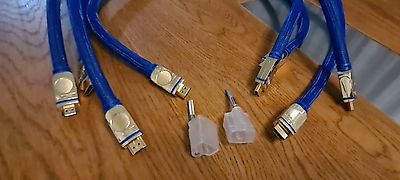
Lindy Premium Gold Hdmi 1.4 Cable Cat2 Ethernet Hec High Sp
Lindy Premium Gold Hdmi 1.4 Cable Cat2 Ethernet Hec High Speed 37421 0.5 m
Über die Qualität müssen wir nicht viel reden, Spitzenklasse (die derzeit besten Kabel auf dem Markt)
3 Stück zu verkaufen. (neuwertig)
pro Stück CHF 27
Porto CHF 8.50
? Product Features
- Supports HDMI 1.2, 1.3b, and 1.4 CAT2 High Speed.
- Transmission bandwidth: 340MHz/10.2Gbps
- Supported resolutions: 480i, 480p, 720p, 1080i, 1080p, 1440p, WQXGA (160 x 1600p), Quad Full HD (3840 x 2160p) or higher. Supports 3D video.
- Supports deep color. Supports over 1 billion colors. Supports x.v.Color.
- Supports Super Audio CD, DTS-HD Master Audio, DVD Audio, and Dolby TrueHD.
- Compliance standards: Compliant with HDCP, HEC, ARC, and CEC.
-Standard core design.
-Slim 24K gold-plated connectors significantly reduce interference near the HDMI port.
??About HDMI cable locks:
When using the Premium Gold Series, we recommend using the separately sold connector lock (HDMI Connector Lock for Premium Gold HDMI HEC Cable (Model No.: 37429)) to completely secure the connector.
27.-
Wallisellen, 8304, 17.10.2026
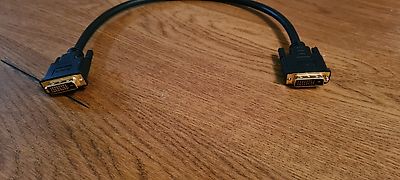
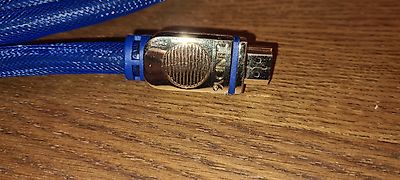
Kabel DVI-D - DVI-D, 0.5 m DVI Dual Link Kabel
Kabel DVI-D - DVI-D, 0.5 m
DVI Dual Link Kabel
2 Stück zu verkaufen. (0.5m Lang)
Sehr gepflegten Zustand, alles einwandfrei (neuwertig, paar mal gebraucht)
Verkaufspreis CHF 12.50
Porto CHF 8.50
High Speed Verbindung für Video Auflösungen bis QXGA (2560 x 1600 Px)
Hochreine verzinnte OFC Kupferleiter und 3-fach Schirmung für optimale Übertragungsqualität
Insbesondere geeignet für professionelle Anwendungen und Installationen
Kabellänge: 0.5 m
Max. Auflösung: 2560 x 1600 (WQXGA)
12.-
Wallisellen, 8304, 17.10.2026
Lindy Premium Gold Hdmi 1.4 Cable Cat2 Ethernet Hec High Spe
Lindy Premium Gold Hdmi 1.4 Cable Cat2 Ethernet Hec High Speed 37421 Lenge 1 m
Über die Qualität müssen wir nicht viel reden, Spitzenklasse (die derzeit besten Kabel auf dem Markt)
4 Stück zu verkaufen. (neuwertig)
Lenge 1 m
pro Stück CHF 77
Porto CHF 8.50
Beschreibung
Das Premium Gold HDMI 1.4 HEC Kabel erfüllt die höchsten Qualitätsansprüche und entspricht in allen Konstruktionsmerkmalen den Vorgaben der HDMI Organisation. Das dreifach abgeschirmte Kabel transportiert HDMI Signale auch über grosse Distanzen und ist perfekt geeignet für den Einsatz im professionellen AV- sowie Home Theater-Bereich.
77.-
Wallisellen, 8304, 17.10.2026
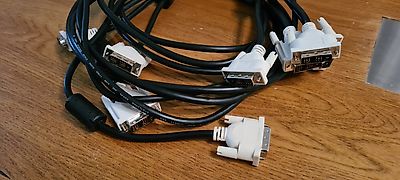
DVI-D zu DVI-D SingleLink 18+1 Pin Kabel 1,5m Monitorkabel A
DVI-D zu DVI-D SingleLink 18+1 Pin Kabel 1,5m Monitorkabel Anzeigekabel
6 Stück zu verkaufen. (1.5m Lang) Neu !
Verkaufspreis CHF 14.50
Porto CHF 8.50
14.-
Wallisellen, 8304, 17.10.2026
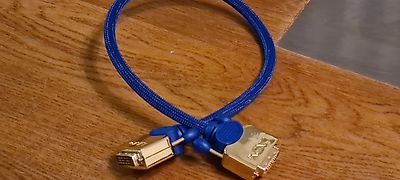
Lindy Premium Gold DVI-D Verlängerung, 0.5m
Lindy Premium Gold DVI-D Verlängerung, 0.5m
Über die Qualität müssen wir nicht viel reden, Spitzenklasse (die derzeit besten Kabel auf dem Markt)
1 Stück zu verkaufen. (neuwertig)
pro Stück CHF 57
Porto CHF 8.50
Beschreibung
Voll DVI-D kompatibel: Die LINDY Premium Gold DVI-Kabel sind vollständig DVI-D Single Link, Dual Link, HDTV sowie HDCP kompatibel. Sie sind digital voll belegt und damit absolut zukunftssicher, auch zu Monitoren mit 2560 x 1600 (WQXGA).
Totale RF-BLOCK Abschirmung: Der patentierte 24 Karat vergoldete RF-BLOK Stecker besteht aus einem zweiteiligen massiven Metallblock und sichert damit höchste Immunität gegen Störeinstrahlung und Interferenzen. Im Fertigungsprozess können keine hohen Drücke und keine einschiessenden Vergussmaterialien die innere Führung der Anschlusskabel beeinflussen. Durch die hervorragende Schirmung kann ganz auf signalverschlechternde Ferritkerne verzichtet werden.
Optimierte Kabelkonstruktion: Das Kabelmaterial ist bis ins letzte Detail auf die Anforderungen von digitalen Monitorsignalen optimiert und verwendet hochwertigste Materialien.
57.-
Wallisellen, 8304, 17.10.2026
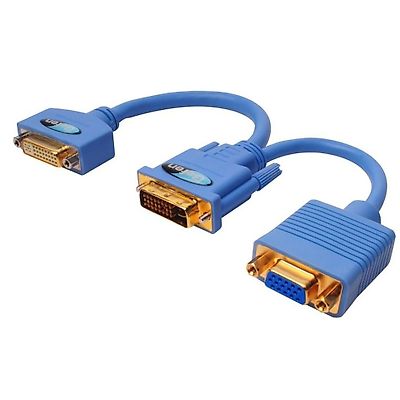
ADA-DVI-2-DVIVGA von Gefen ist ein DVI Stecker auf DVI & VGA
ADA-DVI-2-DVIVGA von Gefen ist ein DVI Stecker auf DVI & VGA (HD-15) Buchse Adapterkabel und Splitter für DVI analog und DVI digital gleichzeitig.
zwei Stück zu verkaufen. (neuwertig )
pro Stück CHF 15
Porto CHF 8.50
15.-
Wallisellen, 8304, 17.10.2026
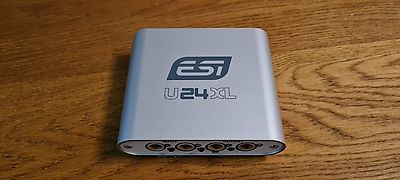
ESI Audiotechnik U24 XL
ESI Audiotechnik U24 XL
Sehr gepflegten Zustand, technisch wie optisch alles einwandfrei
Paar mal gebraucht (neuwertig)
Kann besichtigt und getestet werden
Verkaufspreis CHF 55
Versand möglich B Past CHF 8.50
Nutzen sie dieses einmalige Angebot!
Beschreibung
U24 XL ist nicht nur äusserst stylisch, mit etwa 10 cm x 9 cm ist es zudem so kompakt, dass es überall unterwegs eingesetzt werden kann. Modernste digitale Audiotechnik in einer externen USB-Lösung mit hochwertigen 24-bit Wandlern ermöglicht die Nutzung von 2 analogen Eingangs- und 2 analogen Ausgangskanälen mit Klinkenanschluss bei niedrigsten Latenzzeiten. U24 XL wird dadurch mit Leichtigkeit zum zentralen Gerät in Ihrer Studioumgebung. Die digitalen Ein- und Ausgänge im optischen und koaxialen S/PDIF-Format unterstreichen den Sachverhalt. Wenn Sie eine leistungsfähige USB-Lösung mit optimaler Performance für Mac OS X, Windows XP, Windows Vista, Windows 7 oder Windows 8 benötigen, dann ist U24 XL optimal geeignet.
Weniger anzeigen
55.-
Wallisellen, 8304, 17.10.2026
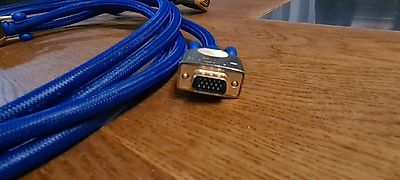
Lindy Premium Gold DVI-D Extension, 2m
Lindy Premium Gold DVI-D Extension, 2m
Über die Qualität müssen wir nicht viel reden, Spitzenklasse (die derzeit besten Kabel auf dem Markt)
4 Stück zu verkaufen. (neuwertig)
Lenge 2 m
pro Stück CHF 99
Porto CHF 8.50
Description
The Premium Gold DVI-D dual-link cable meets the highest demands for digital DVI-D signal transmission even at very high dual-link resolutions. It consists of a specially optimized cable material and clearly exceeds the requirements of the DVI specifications.
99.-
Wallisellen, 8304, 17.10.2026
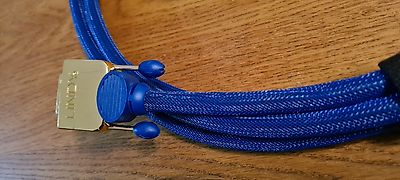
Lindy Premium Gold HDMI-DVI Kabel, 3m
Lindy Premium Gold HDMI-DVI Kabel, 3m
Über die Qualität müssen wir nicht viel reden, Spitzenklasse (die derzeit besten Kabel auf dem Markt)
8 Stück zu verkaufen. (neuwertig)
Lenge 3 m
Verkaufspreis pro Stück CHF 120
Porto CHF 8.50
Beschreibung
Das Premium Gold HDMI-DVI-Kabel erfüllt die höchsten Qualitätsansprüche und entspricht in allen Konstruktionsmerkmalen den Vorgaben der HDMI-Organisation sowie den DVI-Spezifikationen. Das dreifach abgeschirmte Kabel transportiert digitale HDTV-Signale mit und ohne HDCP-Kopierschutz.
120.-

Wallisellen, 8304, 17.10.2026
Apple Mac Mini A1347
Apple Mac Mini A1347
Kann besichtigt und getestet werden
Verkaufspreis CHF 150
Versand möglich B Past CHF 8.50
Nutzen sie dieses einmalige Angebot!
150.-
Wallisellen, 8304, 17.10.2026
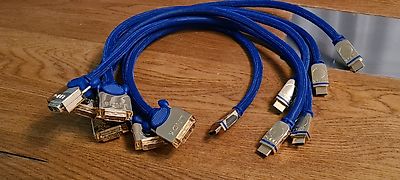
Lindy Premium Gold HDMI-DVI Kabel, 0.5m
Lindy Premium Gold HDMI-DVI Kabel, 0.5m
6 Stück zu verkaufen.
Sehr gepflegten Zustand, alles einwandfrei (neuwertig, paar mal gebraucht)
Aktueller laden preis ca. CHF 83.90 pro Stück
Verkaufspreis pro Stück Fr.55
Porto CHF 8.50
Beschreibung
? Das Premium Gold HDMI-DVI-Kabel erfüllt die höchsten Qualitätsansprüche und entspricht in allen Konstruktionsmerkmalen den Vorgaben der HDMI-Organisation sowie den DVI-Spezifikationen. Das dreifach abgeschirmte Kabel transportiert digitale HDTV-Signale mit und ohne HDCP-Kopierschutz.
55.-
Wallisellen, 8304, 17.10.2026
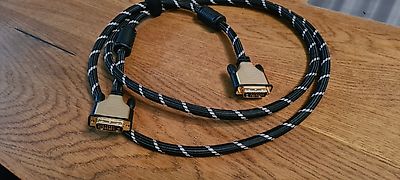
Monitorkabel DVI, ST-ST, (24+1) dual link
Monitorkabel DVI, ST-ST, (24+1) dual link
1 Stück zu verkaufen.
Sehr gepflegten Zustand, alles einwandfrei (neuwertig, paar mal gebraucht)
Verkaufspreis pro Stück Fr.13.50
Porto CHF 8.50
Beschreibung
GOLD Monitorkabel DVI, ST-ST, (24+1)
GOLD DVI Monitorkabel in hochwertiger Qualität
mit verbesserter Schirmung für Bildschirmübertragungen in exzellenter Qualität mit einer 4K Auflösung von bis zu 3840 x 2160 @30Hz!
? hochwertiges doppelt geschirmtes Kabel
? zweifache Abschirmung (Folie+Geflecht) für die optimale Übertragung der Bildsignale
? Mantelaußenhülle mit zusätzlicher Nylongeflechtschutzschicht
? Rändelschrauben mit verlängerter Schraubachse zu optimalen Halt der Stecker
? goldene Metallsteckergehäuse für verbesserte Abschirmung
GOLD - Topqualität ohne Kompromisse!
Kabel in ROLINE GOLD-Qualität verfügen über hochwertige Steckergehäuse und vergoldete Steckkontakte mit zweifacher Abschirmung für eine bessere Signalqualität auch bei hohen Steckzyklen. Der Nylonmantel in gold/schwarz sorgt für eine bessere Stabilität und verleiht dem Kabel eine außergewöhnliche Optik.
13.-
Wallisellen, 8304, 17.10.2026
3DFURY
3DFURY
4 Stück zu verkaufen.
Verkaufspreis pro Stück CHF 190
Kann besichtigt und getestet werden
Versand möglich B Past CHF 8.50
Nutzen sie dieses einmalige Angebot!
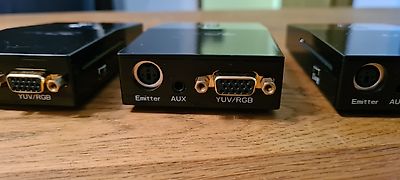
3DFURY
3Dfury allows you to view 3D content from your PS3, Blu-ray player, satellite/cable or internet on all standard 50/60Hz or 100/120Hz HD displays with either Digital or Analog inputs or both at the same time !
If your HDTV or projector can play regular non-3D games and Blu-ray movies then the 3Dfury will work for you! It turns your existing HDTV or projector into a 3D home theater!
If your HDTV or projector cannot play HDMI content because it lacks of a HDMI input, 3Dfury can still turn it into a 3D home theater, thanx to embedded HDMI converter based on HDfury technology.
Upgrade to 3D and HDMI at a fraction of the cost of buying a new display!
The 3Dfury supports every 3D signal type in existence today including frame-packing, side-by-side, top-bottom. It is firmware updatable so that new features can be added in the future as needed!
Start watching Blu-ray movies like Tron: Legacy 3Dand Despicable Me 3Das well as sports and movies on ESPN 3Dand SKY 3Dand see what you?ve been missing!
In addition to supporting all standard 50/60Hz displays in either analog or digital (HDMI, DVI-D, RGBHV, component), the 3Dfury also supports any 100/120hz 3D Ready DLP-Link projector by brands like Optoma, Benq, Viewsonic, etc.
How difficult is it to set up?
A few dip switchs on the 3Dfury must be set once depending on whether your TV is a 50/60Hz or 100/120Hz model or if it takes Digital DVI-D/HDMI or either RGBHV or component as input. No other setup is required.
F3Dfury is 100% plug-n-play with automatic recognition of 3D mode*
2D video just passes through the 3Dfury without any modifications (except for advanced double/triple frame mode). Just connect the 3Dfury between the source and the TV/projector. That?s it!
PS3 users need to make sure to have the latest firmware installed and go to Settings -> Display settings -> Video Outputand select ?automatic? so that 3D output is enabled. After that you just launch the game and that?s it ? 3Dfury will take care of rest.
* Some sources may not cause the 3Dfury to autoswitch to the right 3D mode as the information is missing. In this case you can force 3Dfury to the right 3D mode.
Which projectors and TVs are supported?
Any standard 50/60Hz or 100/120Hz displays will work with 3Dfury.
3Dfury is the world first solution that work with either Digital (DVI-D/HDMI) or Analog (RGBHV/component) displays as well as ultimate Dual Projectors setup !
190.-
Wallisellen, 8304, 17.10.2026
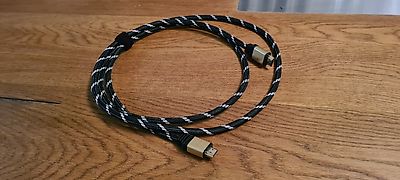
ROLINE HDMI High Speed Kabel, Eth.
ROLINE HDMI High Speed Kabel, Eth. 11.04.5502 Gold, ST/ST, 2160p, 3D 2m
1 Stück zu verkaufen. (2 m Lang)
Sehr gepflegten Zustand, alles einwandfrei (neuwertig, paar mal gebraucht)
Verkaufspreis CHF 18.50
Porto CHF 8.50
GOLD - HDMI High Speed Kabel mit Ethernet
ROLINE GOLD HDMI Kabel mit beidseitigem HDMI-Anschluss für das Verbinden eines Ultrabooks, Notebooks/Laptops oder PCs mit einem Monitor, TV, Beamer oder Projektor - für Bildschirmübertragungen in exzellenter Qualität mit einer 4K Auflösung von bis zu 3840x2160 @30Hz!
? HDMI ist ein universeller Verbindungsstandard für die Übertragung von Bild- und Tonsignalen. Anwendungsbereiche sind im Wesentlichen der Anschluss von Monitoren und Fernsehgeräten an Computer, BluRay Player und ähnliche Geräte., Der Anschluss benötigt weniger Platz und ist daher besser geeignet für tragbare Anzeigegeräte (Ultrabooks, Notebooks/Laptops) oder für 2 Anschlüsse an einer Grafikkarte (auf einem Slotblech)., Das robuste Nylonschutzgeflecht schützt das HDMI Kabel effektiv und setzt es optisch in Szene, Hochwertiges, doppelt geschirmtes Kabel (Folie+Geflecht) mit vergoldeten Kontakten für die optimale Übertragung der Bildsignale, Unterstützt 3D-Video, HDMI Ethernet Kanal, Audiorückkanal (Audio Return Channel) zur Signalweiterleitung an den Audio/Video-Receiver, Steckergehäuse in schwarz-gold
18.-
Wallisellen, 8304, 17.10.2026
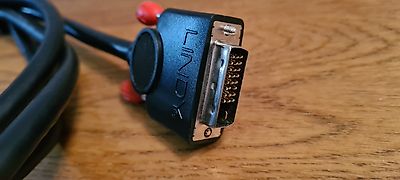
Lindy 3m DVI-D Dual Link Kabel, Black Line
LINDY DVI Anschlusskabel DVI-D 24+1pol. Stecker, DVI-D 24+1pol. Stecker 3.00 m Schwarz 36253 DVI-Kabel
Lindy 3m DVI-D Dual Link Kabel, Black Line
2 Stück zu verkaufen.
3 m lang
Sehr gepflegten Zustand, alles einwandfrei (neuwertig, paar mal gebraucht)
Verkaufspreis pro Stück Fr.12
Porto CHF 8.50
Highlights & Details
? DVI-D Dual-Link-Kabel, ideal für den Small-Office-/Home-Office-Bereich
? Unterstützt DVI-Auflösungen bis zu 2560x1600@60Hz und HDTV-Auflösungen bis zu 1080p
? Robustes PVC-Gehäuse mit vernickelten Steckerhülsen und 24K vergoldeten Kontakten
? 3-fach geschirmtes Kabel mit korrosionsbeständigem, 28AWG-verzinntem Kupferleiter
12.-
Wallisellen, 8304, 17.10.2026
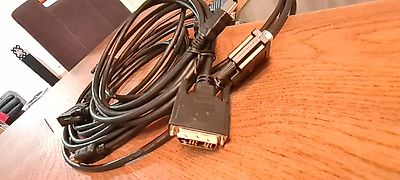
DVI auf HDMI-Kabel
DVI auf HDMI-Kabel
7 Stück zu verkaufen. (neuwertig)
Lang 2 m
Verkaufspreis pro Stück CHF 8
Porto CHF 8.50
Beschreibung
Hochwertiges, doppelt abgeschirmtes Kabel (Folie und Geflecht) mit vergoldeten Kontakten zur optimalen Übertragung von Bildsignalen. Das Kabel hat einen DVI-D (18+1) und einen HDMI-Stecker und kann in beide Richtungen eingesetzt werden.
8.-
Wallisellen, 8304, 17.10.2026
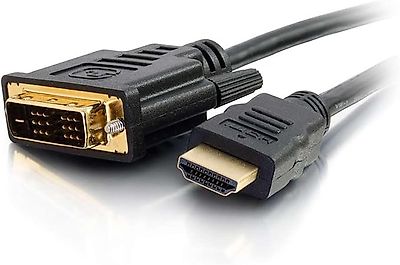
DVI auf HDMI-Kabel Adapterkabel / 1 m
DVI auf HDMI-Kabel
Adapterkabel HDMI > DVI-D
1 Stück zu verkaufen. (neuwertig)
Lang 1 m
Verkaufspreis pro Stück CHF 10
Porto CHF 8.50
10.-
Wallisellen, 8304, 17.10.2026
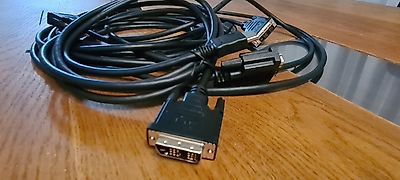
DVI auf HDMI-Kabel Adapterkabel HDMI > DVI-D
DVI auf HDMI-Kabel
Adapterkabel HDMI > DVI-D
3 Stück zu verkaufen. (neuwertig)
Lang 1 m
Verkaufspreis pro Stück CHF 10.50
Porto CHF 8.50
Das Sharkoon Monitorkabel HDMI > DVI-D 2m dient als Verbindungskabel z.B. zwischen einem PC und einem Fernseher bzw. Beamer. Ein DVI-Stecker wird direkt an die Grafikkarte des PCs angeschlossen, der HDMI-Stecker wird an das Ausgabegerät (Beamer, TV, AV-Receiver etc.) angeschlossen. Das Dual-Link Kabel (24+1) unterstützt Auflösungen bis maximal 3.840x2.400 Pixel
10.-
Wallisellen, 8304, 17.10.2026
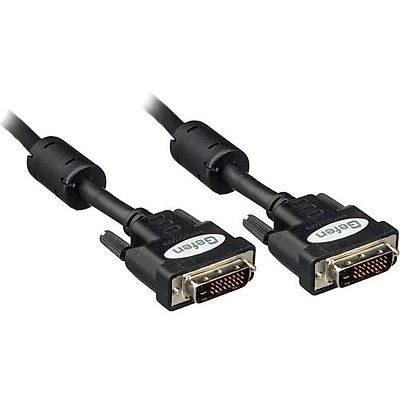
Gefen DVI Dual Link Video Cable
DVI to DVI display cable. These cables support video resolutions of up to 3840x2400.
2 Stück zu verkaufen. (neuwertig)
Lang 2 m
Verkaufspreis pro Stück CHF 25.50
Porto CHF 8.50
HDTV Resolutions Supported: 1080p, 1080i, 720p, 480p, 480i
Computer Resolutions Supported: Supports video resolutions of up to 3840x2400 & 4K Ultra-HD. Dual Link displays require a DVI DL Booster for extensions over 15 feet.
HDCP Compliant: Fully supports High-bandwidth Digital Content Protection scheme for HDCP devices such as projectors, Blu-ray players, video game systems, and satellite TV boxes.
Copper Based Dual Link DVI Cables: Dual Link Copper based DVI cables are available in lengths up to 200 feet.
Includes 3-month Warranty & Support
All sales are final - no returns
This cable a replacement for the Gefen CAB-DVIC-DLBN-06MM, CAB-DVIC-06MM, CAB-DVICI-06MM, & CAB-DVI-DL-06MM cables
HDTV Resolutions Supported: 1080p, 1080i, 720p, 480p, 480i
Computer Resolutions Supported: Supports video resolutions of up to 3840x2400 & 4K Ultra-HD. Dual Link displays require a DVI DL Booster for extensions over 15 feet.
HDCP Compliant: Fully supports High-bandwidth Digital Content Protection scheme for HDCP devices such as projectors, Blu-ray players, video game systems, and satellite TV boxes.
Copper Based Dual Link DVI Cables: Dual Link Copper based DVI cables are available in lengths up to 200 feet.
Includes 3-month Warranty & Support
All sales are final - no returns
This cable a replacement for the Gefen CAB-DVIC-DLBN-06MM, CAB-DVIC-06MM, CAB-DVICI-06MM, & CAB-DVI-DL-06MM cables
25.-
Wallisellen, 8304, 17.10.2026
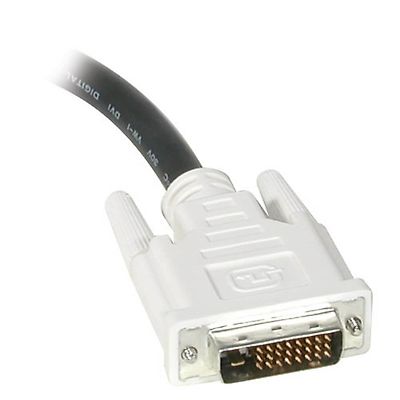
DVI-D Dual Link Kabel (Stecker/Stecker)
DVI-D Dual Link Kabel (Stecker/Stecker) - DVI Dual Link Monitorkabel
Hochgeschwindigkeitsverbindung mit Ihren DVI-Digitalgeräten
1 Stück zu verkaufen. (neu)
Lang 1.5 m
Verkaufspreis CHF 15.50
Porto CHF 8.50
? Unterstützt Auflösungen bis zu 2560x1600
? Digitale Hochgeschwindigkeitsübertragungsrate bis zu 9,9 Gbit/s
? Ferritkern eliminiert EMI-Interferenzen
? Aluminium-Mylar-Folie mit geflochtener Abschirmung
? Unterstützt Hot Plug von DVI-Anzeigegeräten
? Entspricht den DVI DDWG-Normen
15.-
Wallisellen, 8304, 16.10.2026
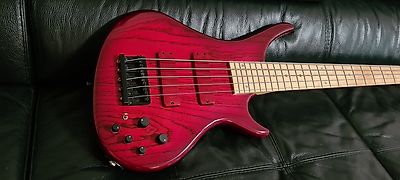
Bossa Bass (neuwertig) Made in USA
Bossa Bass (neuwertig) Made in USA
Es ist auch ein Tausch möglich. Ich suche ein 4 Seiter Bass oder E-Gitarre Fender, Music Man, PRS mit Ihrer oder meiner Zuzahlung, falls Ihr Bass oder E-Gitarre ein grösseres Wert besitzen sollte.
Profi Bass Spitzenklasse,
Werde nur in Studio gebraucht.
Die Bassgitarre ist im neuen Zustand und hat keine Kratzer. Es wurde nur fünf mal gebraucht.
Ein seltenes Liebhaberstück zu Verkaufen.
Sehr gepflegter Zustand, technisch wie optisch alles einwandfrei,
Fantastischer Ton, absolut fetter Sound.
Geeignet für alle möglichen Stile.
Kann besichtigt und getestet werden
3'990.-

Wallisellen, 8304, 14.10.2026
BSS Audio BSS-FDS 360 Frequency Dividing System with Limiter
BSS Audio BSS-FDS 360 Frequency Dividing System with Limiters
Technisch wie optisch alles einwandfrei
Mehr Bilder können auf Wunsch gemailt werden!
Kann getestet werden!
Verkaufspreis CHF 170
Versand möglich B Post CHF 15
170.-
Wallisellen, 8304, 14.10.2026
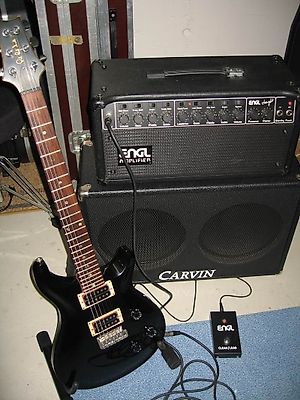
Cervin Gitaren Box (neuwertig) Made in USA
Cervin Gitaren Box (neuwertig) Made in USA
Absolut einmaliges Angebot!!!!!
Verkaufe ein seltenes Liebhaberstück.
Cervin Box Made in USA 2 x 12 Gitaren Box (neuwertig)
Sehr gepflegten Zustand, technisch wie optisch alles einwandfrei
Nur im Proberaum gespielt.
Kann getestet werden!
Nutzen sie dieses einmalige Angebot!
Verkauf Preis Fr.390
390.-